
Valentine's Day is just around the corner and we are working tirelessly to ensure that our shop is filled with stunning arrangements and delightful bouquets for you to choose from! Amongst all the beautiful flowers, the rose reigns supreme as the most popular choice. Revered as the favorite flower of Venus, the goddess of Love, roses are currently in high demand all over the world. However, this surge in popularity raises the question - why are roses so expensive during this time of year? It's a fascinating inquiry, and we have the answer ready for you!
Click the video to uncover the behind-the-scenes secrets of product pricing and how it impacts both our business and our valued customers.
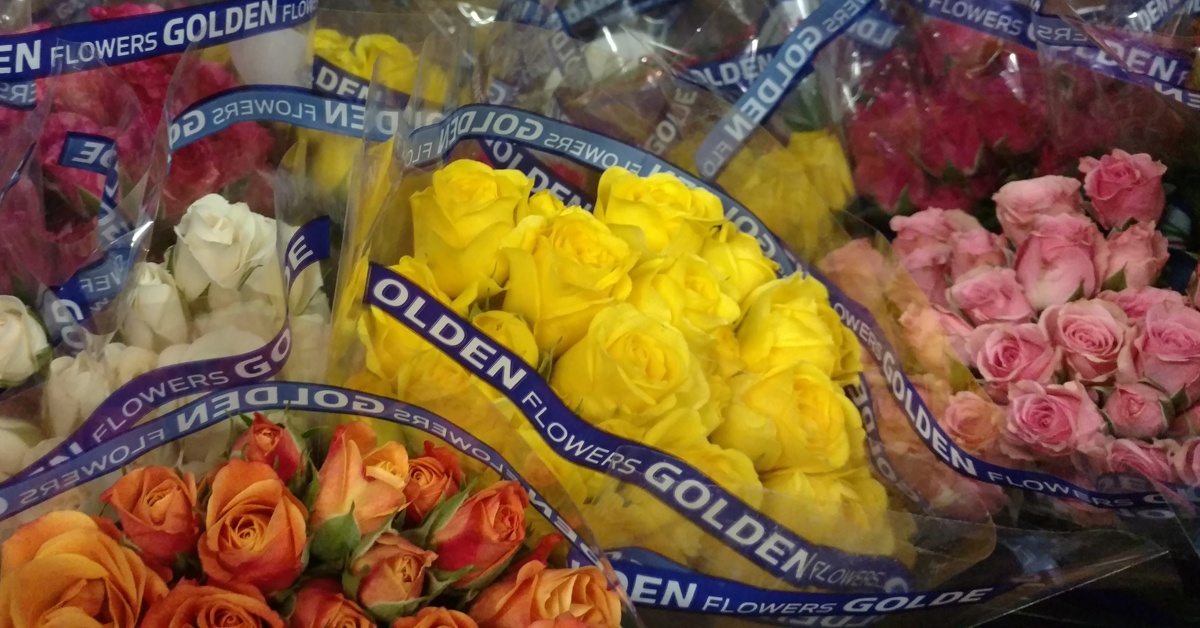
Furthermore, growers face limitations due to the perishable nature of roses and the limited space they have available. They cannot stockpile roses because they would quickly wilt and become unsellable. Additionally, the added expense of heating during the winter and shortened daylight hours further contributes to the higher price of roses.
The grower ultimately sets the price for the roses, which is higher due to the dumping of the crops in December. This additional cost is then passed through each market level - from the grower, to the wholesaler, to the florist, and finally to the customer.
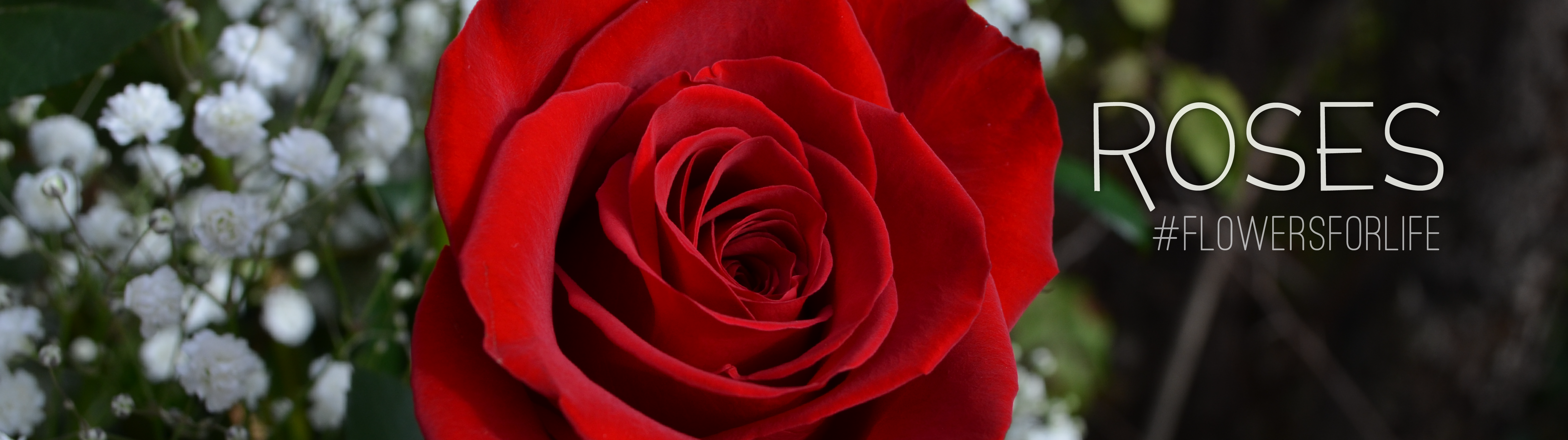
Another factor impacting the cost of roses is transportation. Most roses are imported from countries like Ecuador, Colombia, and across the country in California. As the demand for roses increases, so does the need for cargo space. This leads to more vehicles on the road and in the air to transport the popular flower. The expenses continue to add up - from cutting back crops to accommodate Valentine's Day demand, to adding more vehicles, and spending more money on gas.
It's not just Valentine's Day that sees a high demand for roses in the new year. Events like the Rose Bowl in Pasadena, California, and the Tournament of Roses parade require a staggering amount of roses. The average float in the Rose Parade uses approximately 160,000 flowers, highlighting the immense popularity of roses.
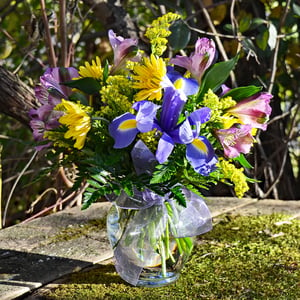
Now that you understand the factors behind the high price of roses, you may be wondering if it's worth buying them this year. At Gillespie's, we understand the cost concerns and offer a variety of alternatives to roses. Stargazer lilies, gerbera daisies, carnations, alstroemeria lilies, hydrangea - the options are endless! Our design staff has created stunning bouquets for Valentine's Day that are sure to thrill your loved one, with or without roses.
Click below to see our specials for Valentine's Day this year!

 The most wonderful time of the year means we have an abundance of winter and holiday themed bouquets for sending "Season's Greetings!" Lights shine brighter, our hearts are lighter and everything has a nice joyful sheen to it (except for fallen snow after a day of traffic...but let's not dwell on it right now!). Here to get you in the mood for the holidays I am sharing the bouquets and centerpieces fit for any table, office and/or living space.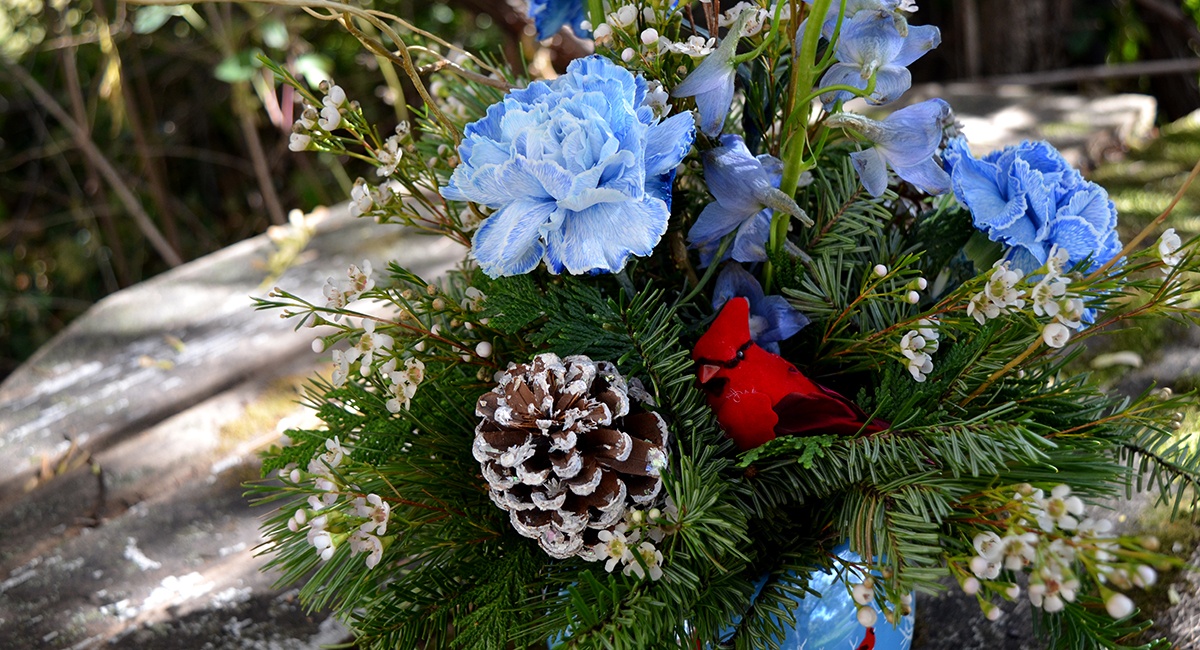
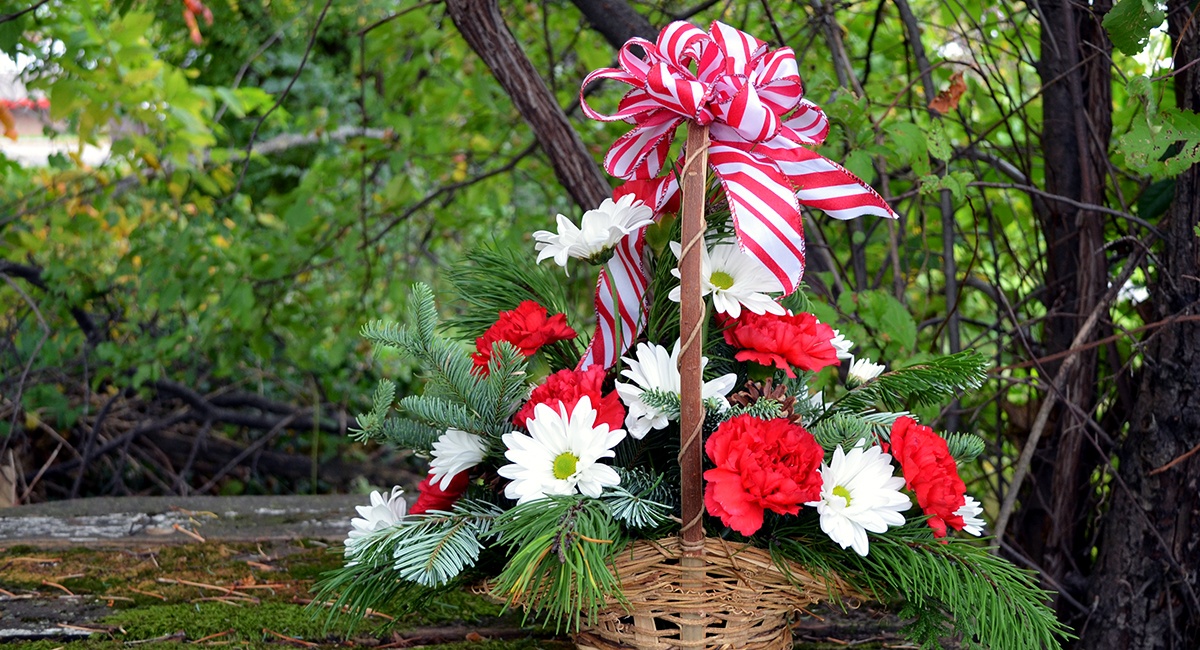
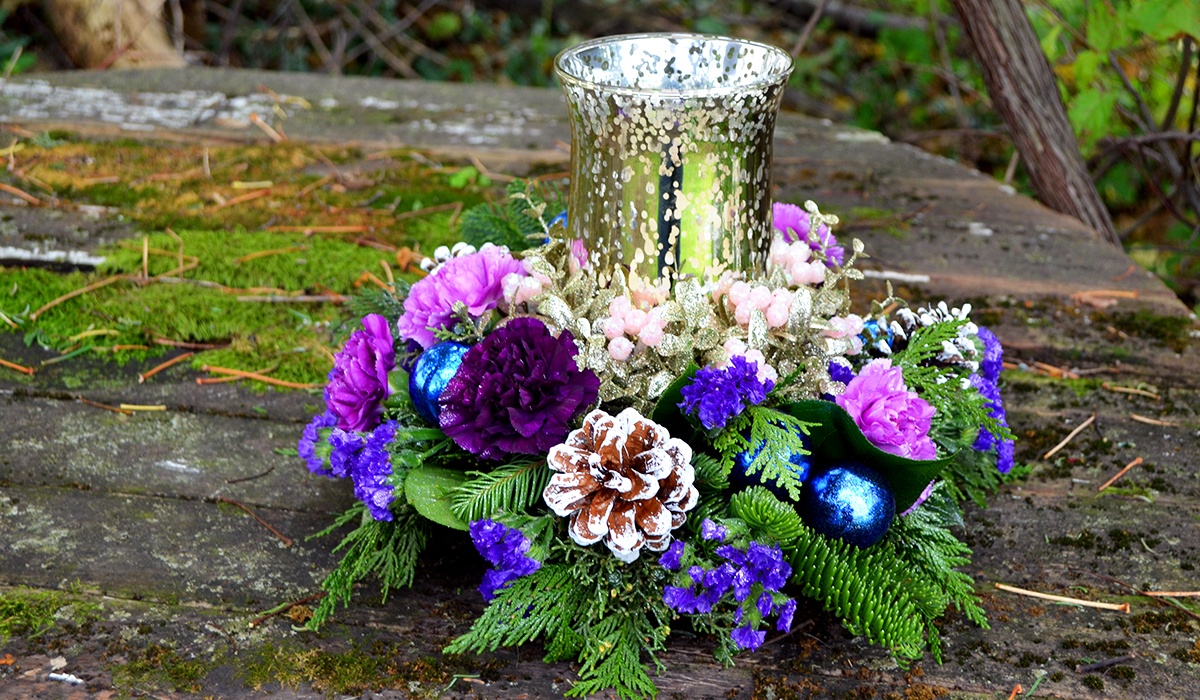

.jpg?width=1200&name=poinsettias4%20(1).jpg)

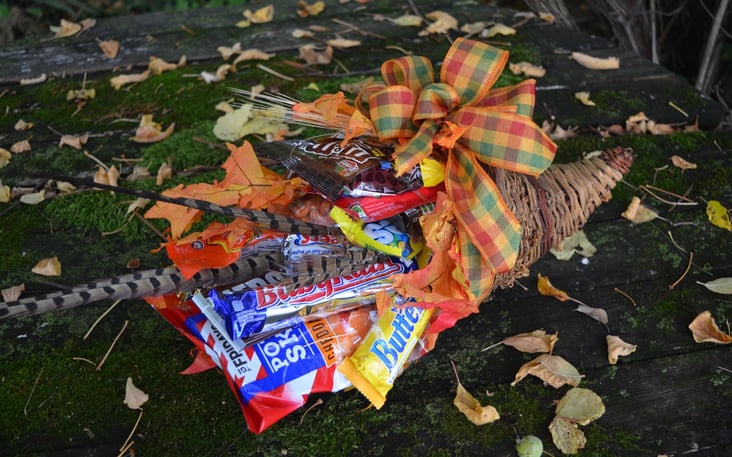
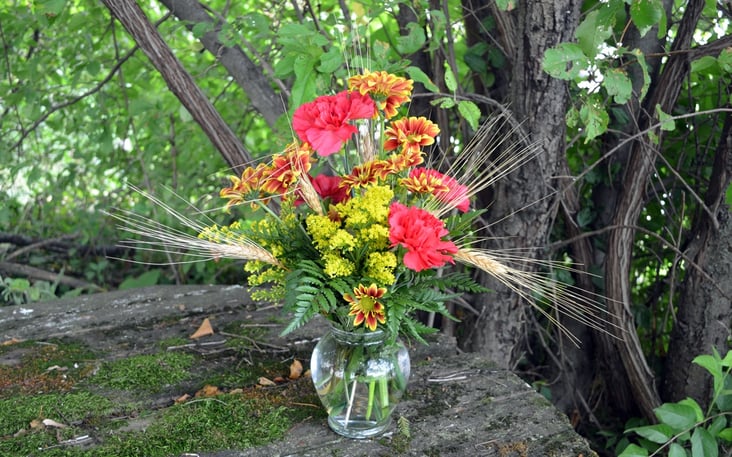
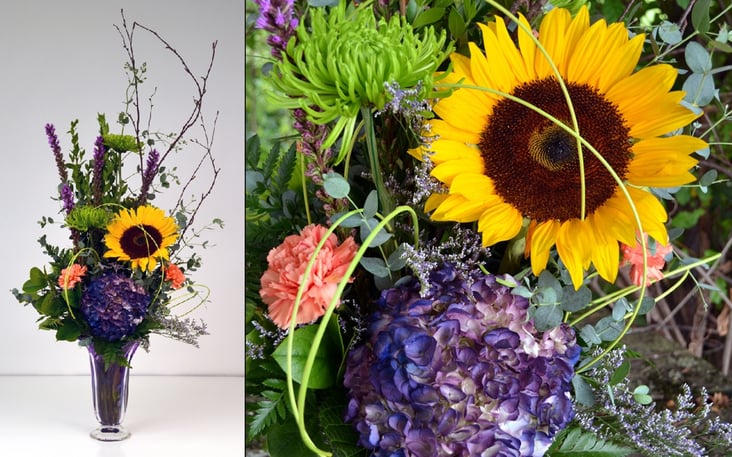
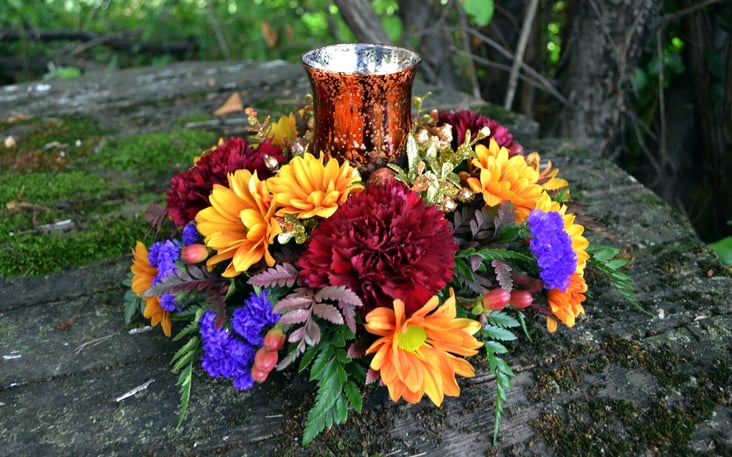
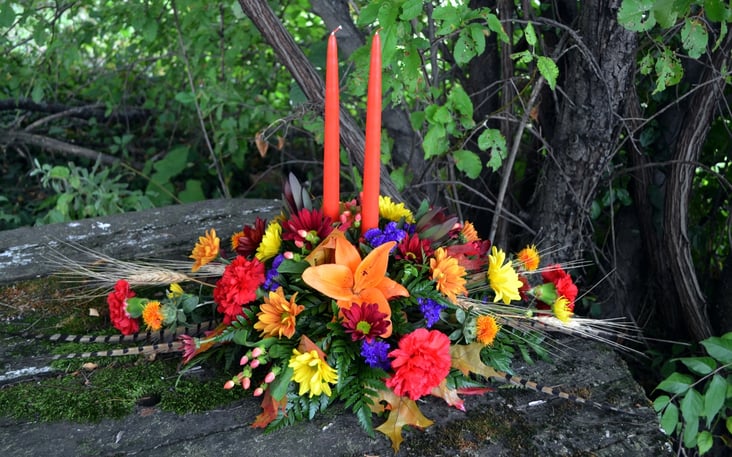

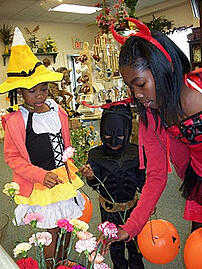
 As always we will be offering candy and free flowers to anyone coming in dressed up during our Treat or Treat hours!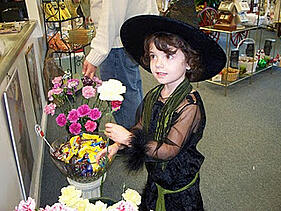



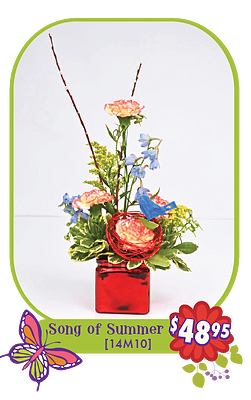 Another delightful arrangement dedicated to the arrival of the warmer seasons is heralded by the bold Song of Summer!
 Of course, what is the promise of summer without the brilliant and bold sunflower?
 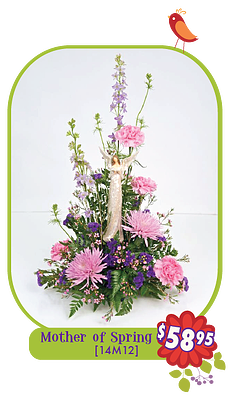 Such a lovely collection of bouquets for Mother's Day it is difficult to choose just one! However for the sake of my husband I will narrow it down to this one (hint, hint ;) ).
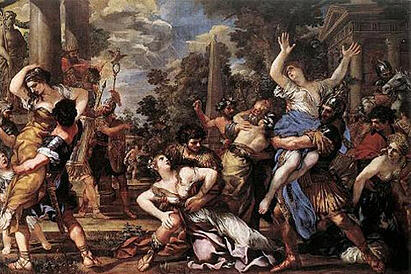 Lupercalia was actually a fertility festival dedicated to Faunus, the Roman god of agriculture, as well as to the Roman founders Romulus and Remus.
  Lupecalia was celebrated until outlawed due to it being "un-Christian" around the end of the 5th century when Pope Gelasius declared February 14 St. Valentine's Day. It wasn't celebrated as a day of love right off the bat however; began as a liturgical celebration of one or more early Christian saints named Valentinus. One legend is Valentine was a priest who served during the third century in Rome. When Emperor Claudius II decided that single men made better soldiers than those with wives and families, he outlawed marriage for young men. Valentine realized the injustice of the law and performed marriages for young lovers in secret. When Valentine's actions were discovered, Claudius ordered that he be put to death.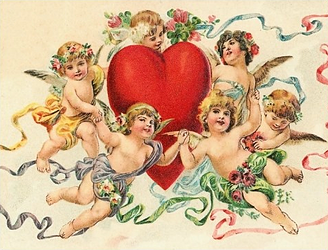
 This day to celebrate love has come a long way from its origin. As Valentine's Day 2014 approaches, not only am I thankful for more opportunities to express love to my husband but also that I don't have think about an unknown bachelor drawing my name out an urn and lining up along the street for a chance to increase my fertility!

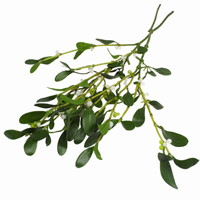
 Frigga, The goddess of love, learned her son, Balder, god of the sun, had a dream where he died and the earth was destroyed because of it. As she wanted to protect her son from harm, she told the elements earth, water, wind, and fire, and all the plants and creatures of nature that no harm would befall him. Everybody was good with that except Balder's one enemy, Loki, the god of mischief.
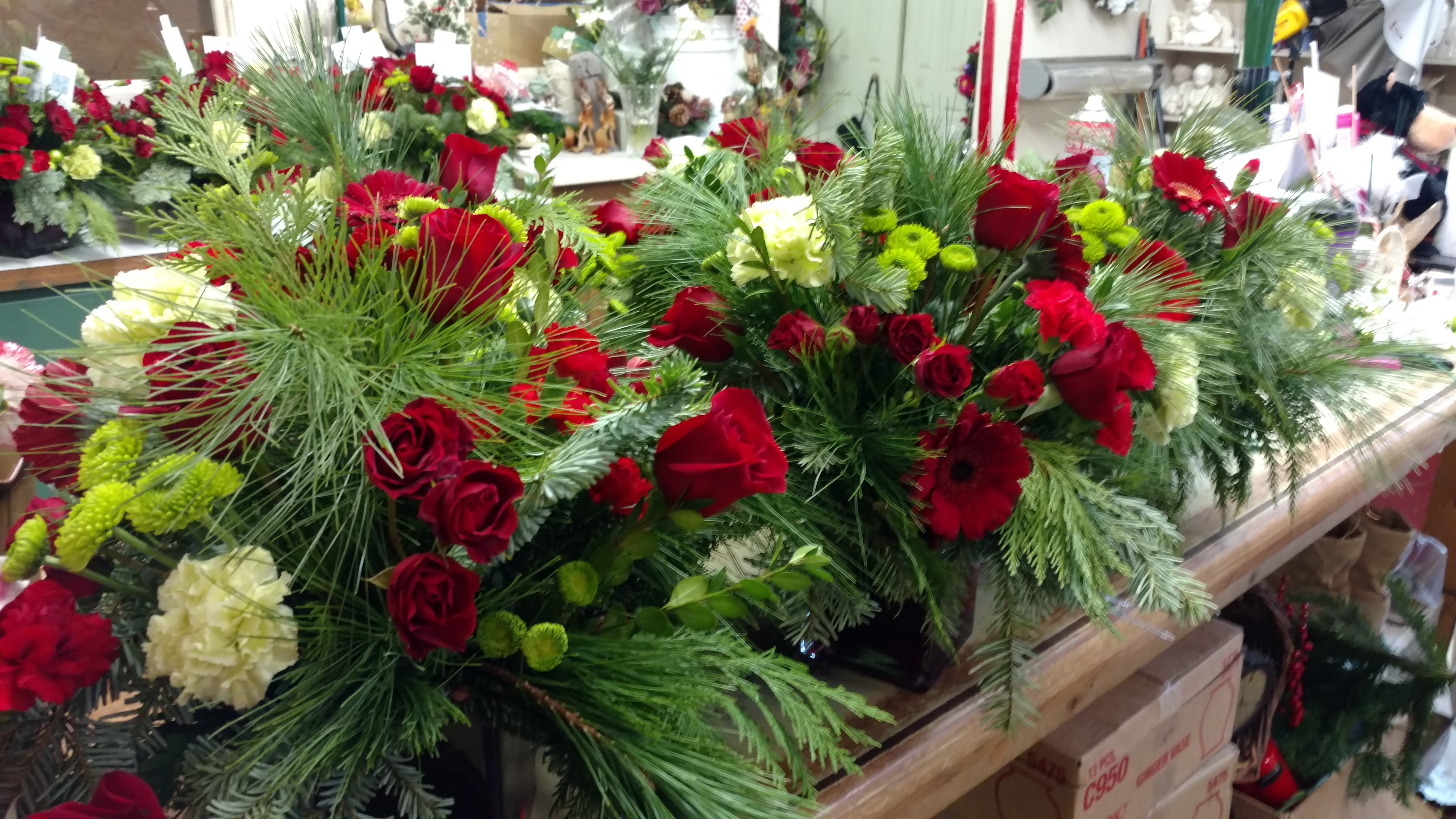
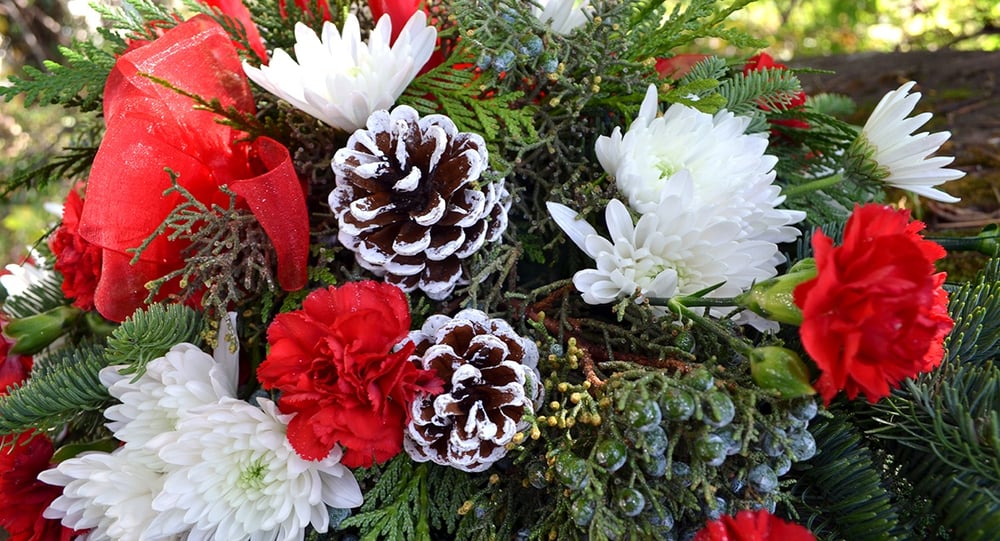


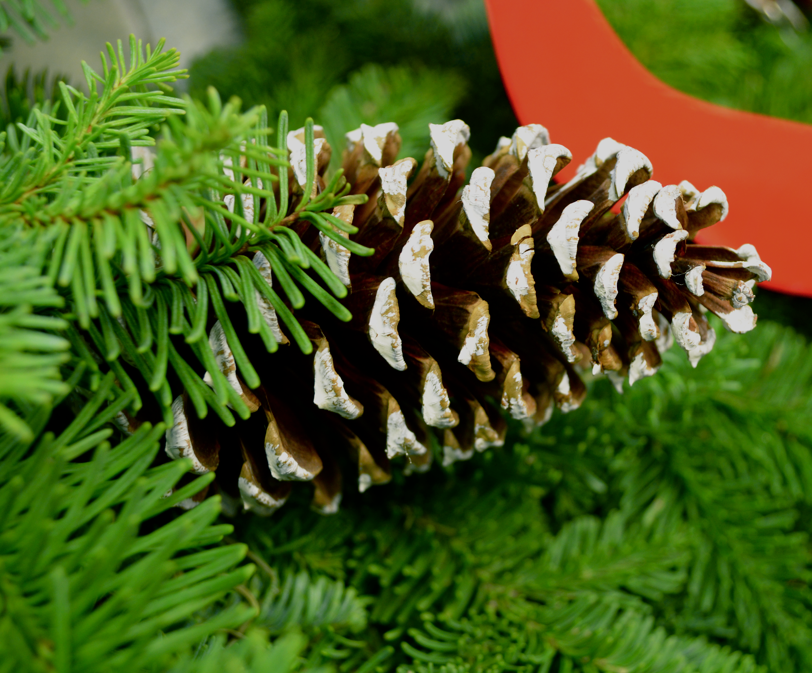
 Now that we have explored some specific types of seasonal/winter greenery, let’s look at where we can obtain the product. Most of our product comes from out West, in Oregon, Colorado and Washington State. We do obtain product from Florida, Michigan and right here in Indiana, too! One of our designers, Duane, harvests boxwood from his own Indiana garden for our seasonal/winter arrangements. Harvesting at the correct time, especially in Indiana, can be a tricky task! Duane watches the weather closely in October to determine when the first hard freeze will arrive. The harvesting must occur BEFORE the first hard freeze because of the effect that the cold weather has on the color and quality of the boxwood. The boxwood can be stored at cool temperatures, in water for several weeks. The greenery that we purchase from companies out of state are harvesting and packaging their products in 20-50 pound boxes throughout October and November for shipping in November and December. One company, located in Colorado, dedicates over 50% of their cold storage to seasonal/winter greenery every fall for the busy winter shipping season. Since the demand is high for a short period of time, these companies must harvest early and store their product until their customers are ready to receive shipment.