
 After months of construction barricades, changing entrances, gravel transitions and plenty of “Are you still open?” questions, the new roundabout at 10th Street and Raceway Road is finally complete!
Our doors stayed open throughout construction, but now that smooth and easy access to our parking lot has returned, we’re ready to celebrate—and kick off the holiday season at the same time.
Join us for our Grand Reopening & Christmas Open House: Roundabout Celebration on Saturday, November 7th, from 11:00 AM to 3:00 PM at Gillespie Florists.
Event Details
- Date: Saturday, November 7, 2026
- Time: 11:00 AM–3:00 PM
- Location: Gillespie Florists
- Address: 9255 W. 10th St., Indianapolis, IN 46234
- Admission: Free
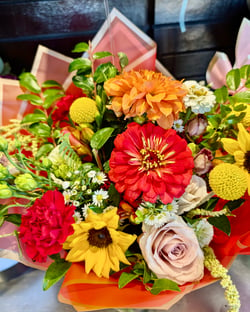
Our shop will be filled with Christmas flowers, festive gifts, hands-on activities, treats, prizes and plenty of holiday cheer. Whether you’ve supported us throughout construction or haven’t visited in a while, we would love to welcome you back!
Make Something Festive
Get creative at one of our holiday-themed design stations!
At our DIY Holiday Flower Design Station, guests can learn a few basic floral-design techniques while creating a mini holiday bouquet or Christmas Sunshine Bouquet. This free make-and-take activity is our way of thanking you for sticking with us through the construction!
Our DIY Holiday Plant Design Station will offer plant-care tips and demonstrations featuring foliage plants and succulents in seasonal containers. See how river rock, moss, pinecones, berries and other accents can transform a simple plant into a festive holiday gift. Completed plant designs will be available for purchase.
 Learn How We Care for Your Flowers
Have you ever wondered what happens to flowers before they reach our cooler or become part of an arrangement?
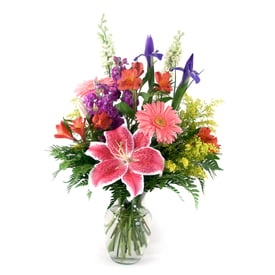
Stop by our Flower Care and Hydration Station for a behind-the-scenes look at how fresh flowers arrive, how we cut and clean the stems and why proper hydration is so important. We’ll also demonstrate how to mix flower food correctly to help your holiday flowers open beautifully and last longer.
Photos With Minnie and Izzy Mae 🐾
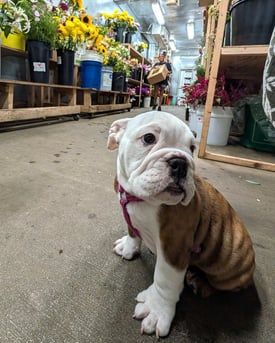
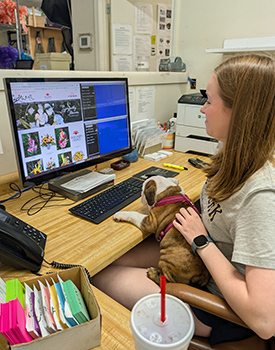
Minnie Pearl and Izzy Mae will be reporting for duty as our official greeting committee!
Visit our Paws and Photos Station to spend a little time with our English Bulldog mascots and snap a festive picture with holiday props. We have a feeling Izzy Mae will be more interested in hugs than overseeing the event—but Minnie will be there to show her the ropes!
Holiday Fun for the Kids
Our younger visitors can stop by the Festive Balloon and Tattoo Corner for holiday-colored balloons and temporary floral or Christmas-themed tattoos.
Families are welcome, so bring the kids along while you explore the shop, enjoy the activities and get an early start on the holiday season.
 Take a Look Behind the Scenes
Join one of our short, guided shop tours and follow the journey flowers take from arrival to delivery.
You’ll get a closer look at our design process, browse our fully stocked holiday gift shop and step inside our signature 500-square-foot walk-in flower cooler. It’s a fun opportunity to see what goes into the flowers and gifts we create every day.
Enjoy Holiday Treats
No Christmas Open House would be complete without something sweet!
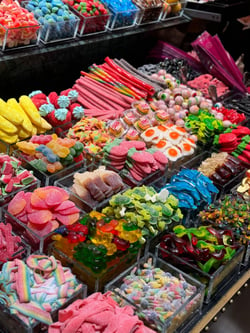
Enjoy samples from the South Bend Chocolate Company while exploring our selection of chocolates and holiday gifts. We’ll also have commercially prepared holiday cookies, warm spiced apple cider, hot cocoa, iced tea and bottled water available for our guests.
Games, Prizes and Giveaways 🎁
 Enter our free No More Detours Door Prize Raffle for a chance to win floral centerpieces, candles, keepsakes, wind chimes, gift-shop merchandise and Gillespie Florists gift cards.
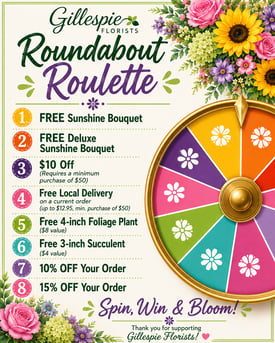
We’re also bringing back Roundabout Roulette! Spin the wheel to win instant prizes, flower-stem add-ons, checkout discounts and other surprises.
Be sure to take plenty of pictures while you’re here. Share your photos from the DIY stations or your visit with Minnie and Izzy Mae using #NoMoreDetours and #GillespieChristmas for another chance to be entered into a holiday giveaway.
Celebrating Our Past—and What Comes Next
Gillespie Florists has been serving Indianapolis since 1895 and has remained under current family ownership for more than 65 years. We’re proud of our history, grateful for the community that has supported us and excited to begin this newly accessible chapter.
The road may look a little different, but you’ll still find the same friendly faces, fresh flowers and thoughtful gifts waiting inside.
Mark your calendar for Saturday, November 7th, from 11:00 AM to 3:00 PM, and join us as we celebrate no more detours, easier access and the beginning of a wonderful holiday season!
We can’t wait to welcome you back. 🎄💐
 A little history, with something sweet
 Say it with flowers.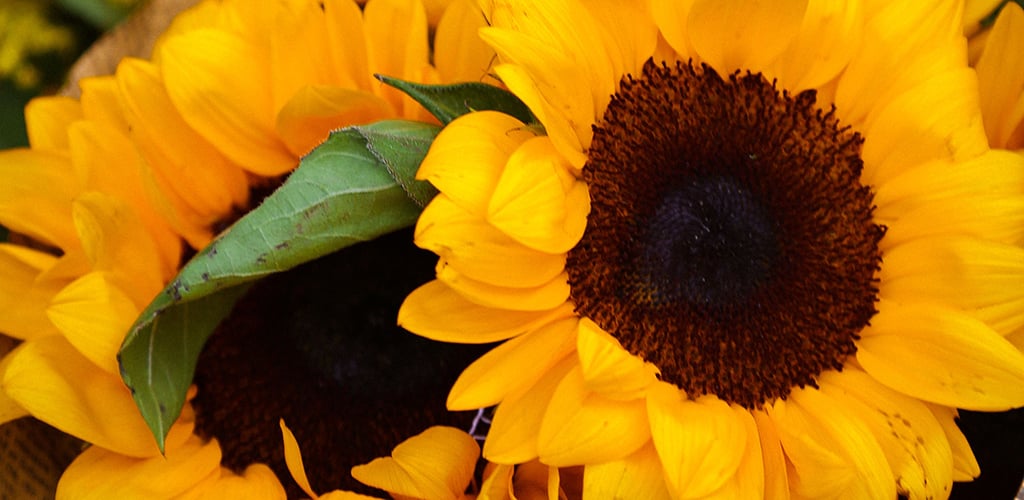
 What’s Included
 A Little Beauty in an Ordinary Day
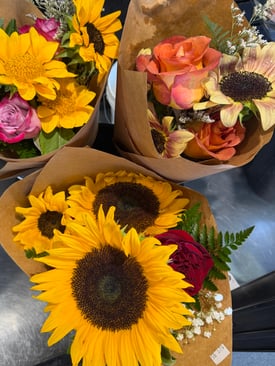 And then there are my favorite deliveries: the ones sent just because. Maybe a friend has had a rough week. Maybe someone helped you out and you want to thank them. Or maybe you saw sunflowers and knew exactly who would love them. No occasion required.
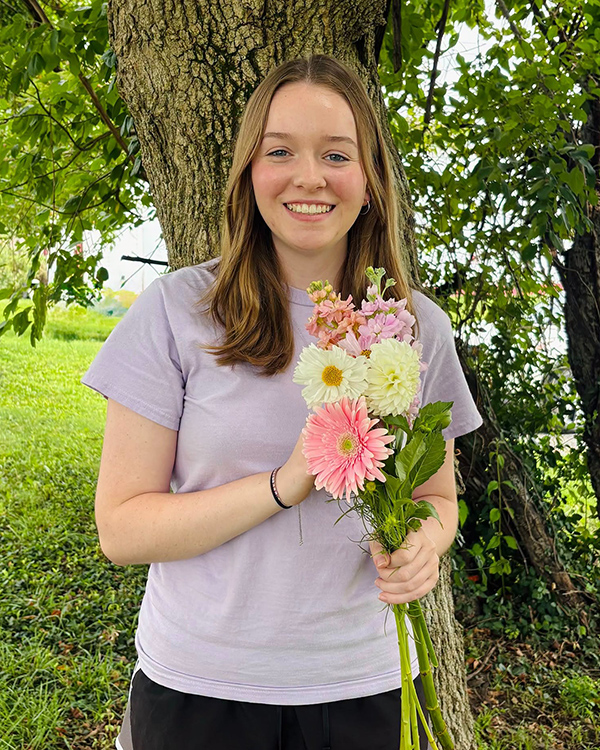
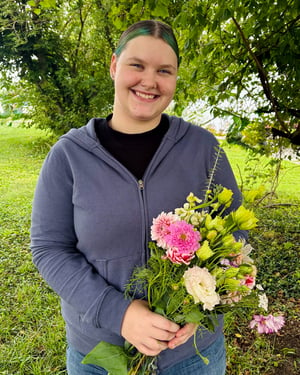 When it comes to her own favorite flowers, Taylor has a beautiful trio: peonies, ranunculus and gerbera daisies. 💐 Her favorite holiday to work at the shop is Mother’s Day, and her favorite arrangement from our website is Peaches and Cream.
 We packed plenty into those five days. We went fishing, took family photos at Hatcher Pass, explored Independence Mine and rode the Glacier Discovery Train to the Whistle Stop for an unforgettable glacier adventure. Everywhere we looked, Alaska gave us another beautiful view—and another reason to pull out our cameras.
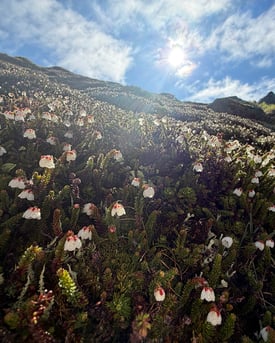 Alaska Moss Heather (Harrimanella stelleriana)
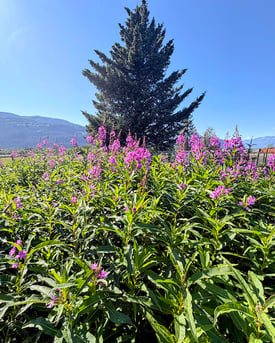 Western Columbine (Aquilegia formosa)
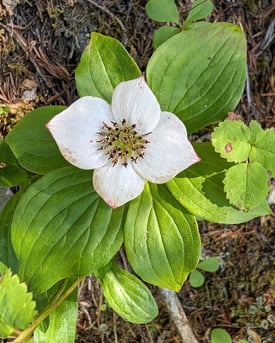 Bunchberry or Dwarf Dogwood (Cornus canadensis)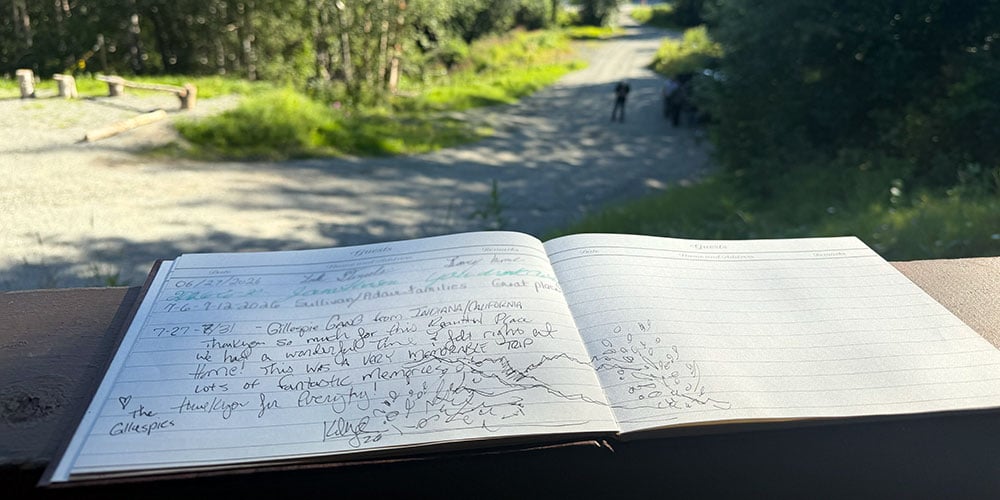
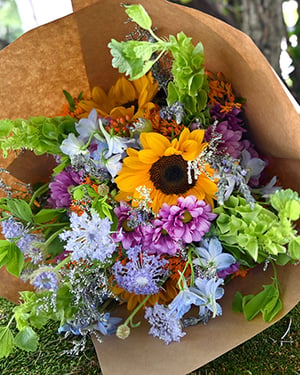
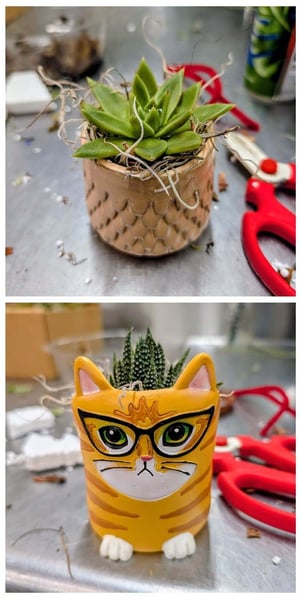 Plants are wonderful gifts for someone who enjoys bringing a little nature indoors. A peaceful dish garden, blooming plant or collection of greenery in a fun container adds life to a desk, kitchen, office or favorite reading corner.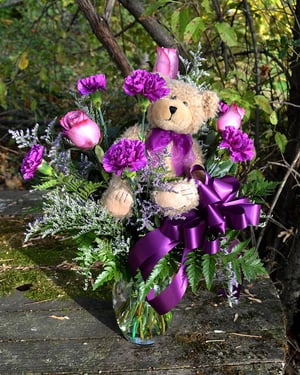
 Kennedy has a special gift for helping families select meaningful funeral tributes. She takes the time to learn about each loved one’s interests, personality and cherished memories, helping create floral arrangements that tell a story and honor a life well lived. Her hope is that every family she works with feels a little more peace and comfort during the planning process.