
 As we ease into the new year and settle into winter, it’s the perfect time to revisit one of our favorite traditions—celebrating birth month flowers. January kicks things off with one of the most classic blooms of all: the carnation. Timeless, meaningful, and endlessly versatile, this beloved flower sets a hopeful tone for the year ahead.
What are the January birth flowers?
January is represented by carnations and snowdrops—two very different blooms that share a quiet strength during the coldest time of year.
Carnations are known for their ruffled petals, soft fragrance, and wide range of colors, from whites and pinks to deep reds and purples. Their durability and classic style make them a staple in floral design, appearing in everything from everyday arrangements to weddings, corsages, and boutonnieres.
Snowdrops may be small, but they’re mighty. These delicate white blooms often appear while snow is still on the ground, offering one of the earliest signs that spring is on its way. They’re commonly associated with hope, renewal, and fresh beginnings—perfect symbolism for January.
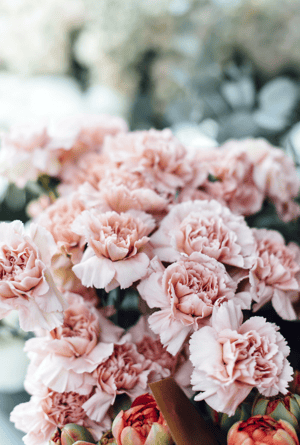
A little history behind carnations
Carnations have been loved for more than 2,000 years, dating back to ancient Greece and Rome. Their name, Dianthus, means “divine flower,” and over time they’ve become a staple in floral traditions across Europe and Asia.
What do carnations symbolize?
Carnations are often associated with love and affection, with meanings that vary by color:
-
Red: Admiration
-
Deep Red: Romantic love
-
Pink: Gratitude
-
White: Purity and friendship
-
Yellow: Sorrow
-
Purple: Royalty
Their long-lasting nature has also made carnations a symbol of enduring love.
A few fun carnation facts
-
The green carnation became a symbol in LGBTQ+ history after Oscar Wilde popularized it in the late 1800s.
-
In Victorian times, striped carnations were used to subtly say, “I cannot be with you.”
-
The Carnation Revolution in Portugal (1974) turned the flower into a lasting symbol of peace and change.
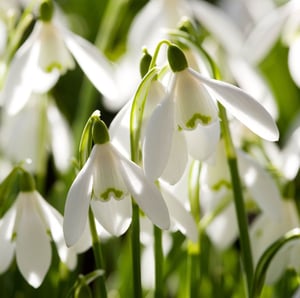
While the carnation takes center stage as January’s primary birth flower, it’s often paired with the delicate snowdrop. Blooming bravely through snow, snowdrops symbolize hope, renewal, and resilience, offering a quiet reminder that brighter days are ahead—even in the heart of winter. Their calm presence and winter bloom time make them a natural companion to January celebrations.
Fun fact: Snowdrops contain galantamine, a compound still used in modern medicine—connecting this petite bloom to a long history of healing and care.
At Gillespie Florists, we love flowers that tell a story. January’s birth blooms—especially the ever-classic carnation—are a beautiful way to brighten winter days and celebrate the fresh start of a new year. 🌸
Tap here to browse our entire birthday flower collection today!
